



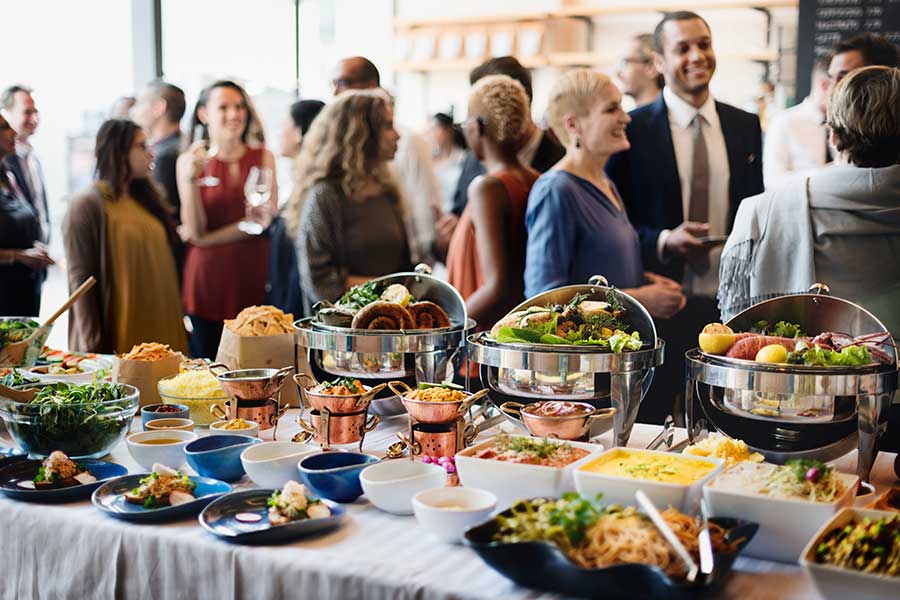
Corporate events in New York City are no longer limited to formal meetings, basic buffets, or predictable sandwich trays. From conferences and networking receptions to product launches, employee celebrations, and executive dinners, companies are increasingly using food as part of the overall guest experience.
Well-planned corporate event catering NYC can do more than provide a meal. It can create opportunities for conversation, support the flow of an event, accommodate different dietary preferences, and reinforce the professional image of a company. Current catering trends also show growing interest in interactive dining, wellness-focused menus, seasonal ingredients, sustainability, and personalized food experiences.
Why Corporate Catering Matters for NYC Events
New York business events often bring together people with different professional backgrounds, cultures, and food preferences. A successful catering plan needs to consider the audience as carefully as the event agenda.
Food can influence the atmosphere from the moment guests arrive. A thoughtfully presented breakfast can make an early meeting feel welcoming, while passed appetizers and interactive stations can encourage networking during an evening reception.
For companies, this attention to detail can also communicate professionalism. Guests may not remember every presentation slide or discussion point, but they are likely to remember whether the event felt organized, comfortable, and thoughtfully planned.
Choosing the Right Catering Style
There is no single catering format that works for every corporate gathering. The best choice depends on the number of attendees, venue, schedule, budget, and purpose of the event.
Plated Meals
Plated dining can be an excellent choice for executive dinners, awards ceremonies, formal celebrations, and client-focused events. Guests remain seated while courses are served, creating a structured and polished experience.
This style generally requires more staff and coordination, but it can provide a higher level of personalization and presentation.
Buffet Catering
Buffets offer flexibility and allow attendees to select portions according to their preferences. They can work particularly well for conferences, employee appreciation events, seminars, and larger office gatherings.
A well-organized buffet should have enough serving space to prevent long lines and should clearly identify different dishes and dietary options.
Food Stations
Food stations have become increasingly popular because they combine dining with interaction. Guests can move around the venue, sample different foods, and continue networking rather than remaining at one table.
Stations might include pasta, tacos, Mediterranean dishes, salads, carving selections, desserts, or other cuisine-specific concepts. Interactive formats are particularly useful for networking-focused corporate events because they encourage movement and conversation.
Passed Hors d’Oeuvres
For cocktail receptions and networking events, passed appetizers can keep guests comfortable without requiring a formal meal. Small portions of attractive, easy-to-eat foods allow attendees to continue conversations while enjoying different flavors.
The key is selecting items that can be eaten neatly and efficiently while standing.
Building a Corporate Event Menu
Menu planning should begin with the event rather than with a list of dishes. Consider when guests will eat, how long the event will last, whether they will be seated, and what the overall objective is.
For example, a morning leadership meeting may benefit from fresh fruit, pastries, yogurt, breakfast sandwiches, coffee, and lighter options. A lunchtime conference might call for salads, grain bowls, sandwiches, proteins, vegetables, and desserts.
An evening celebration can support a more elaborate menu with appetizers, food stations, plated courses, or creative desserts.
Current corporate catering trends increasingly favor ingredient-focused, seasonal, plant-forward, and wellness-conscious menus rather than relying entirely on heavy traditional fare.
Dietary Needs Should Be Part of the Plan
Dietary requirements should not be treated as an afterthought. Corporate guest lists can include vegetarian, vegan, gluten-free, dairy-free, kosher, halal, and allergen-sensitive attendees.
The best approach is to collect dietary information during registration or RSVP and provide the catering team with the information early. This gives chefs enough time to develop suitable alternatives rather than making last-minute substitutions.
Clear food labeling can also make the experience easier for guests. When dietary information is visible and understandable, attendees can make choices confidently without repeatedly asking event staff about ingredients.
NYC Logistics Require Careful Planning
Catering a corporate event in New York City involves more than preparing food. Delivery access, building security, freight elevators, setup areas, venue rules, and timing can all influence how the catering operation works.
Some commercial buildings have limited loading windows and specific requirements for vendors. Office buildings may also have restrictions concerning cooking equipment or open flames. Planning these details early can prevent unnecessary delays on event day.
For large events, the catering schedule should be coordinated with the venue and event production team. Food arrival, setup, service, clearing, and breakdown should all fit within the larger event timeline.
Presentation Can Strengthen the Brand Experience
Corporate catering is also an opportunity to reinforce a company’s identity. Presentation does not necessarily mean adding a logo to every item. It can involve elegant table design, consistent signage, attractive serving pieces, coordinated colors, or a menu concept that reflects the company’s personality.
For a technology company, for example, a modern interactive food concept may complement the event better than a traditional formal dinner. A luxury client event may benefit from sophisticated presentation and attentive table service.
The objective is to make the catering feel like part of the event rather than something placed in the room separately.
Sustainable and Wellness-Focused Catering
Sustainability and wellness are becoming more influential in corporate food planning. Plant-forward menus, seasonal ingredients, reduced food waste, and environmentally conscious service materials can help companies align catering with broader workplace and sustainability objectives.
Wellness-focused catering can also include fresh vegetables, whole grains, lean proteins, fruit, lighter desserts, and appealing non-alcoholic beverages. These options can be particularly valuable during full-day conferences when guests need food that supports energy rather than leaving them feeling overly full.
Catering for Different Corporate Occasions
The catering strategy should change depending on the event.
Conferences: Convenient buffets, boxed meals, beverage stations, and quick-service options can help maintain the schedule.
Networking receptions: Passed appetizers, small plates, food stations, and creative beverages encourage guests to mingle.
Executive dinners: Plated meals and attentive service can create a refined environment for important conversations.
Product launches: Visually impressive dishes and interactive stations can complement the excitement of the launch.
Employee celebrations: Flexible buffets, family-style dining, and diverse food selections can create a relaxed atmosphere.
Holiday events: More elaborate menus, desserts, beverages, and themed food stations can make the occasion feel celebratory.
How to Choose a Corporate Catering Partner
Before selecting a caterer, companies should consider more than the menu. Ask about experience with events of a similar size, staffing, setup and cleanup, dietary accommodations, venue coordination, and contingency planning.
It is also useful to clarify what the quoted price includes. Depending on the caterer, costs may involve food, servers, equipment, rentals, delivery, setup, cleanup, and other services.
For larger NYC events, booking well ahead of time is particularly important because popular dates can become difficult to secure. Current industry guidance commonly recommends several weeks or months of planning depending on event size, complexity, and date.
Final Thoughts
Successful corporate event catering NYC is about creating an experience that works from both the guest’s perspective and the organizer’s perspective. Great food matters, but so do timing, presentation, dietary inclusivity, service, venue logistics, and menu design.
Whether the occasion is a small executive gathering or a large company-wide celebration, thoughtful catering can help employees connect, make clients feel valued, and give the entire event a more polished identity. In a city known for its extraordinary food culture, corporate events have an opportunity to make catering one of their most memorable elements.
