



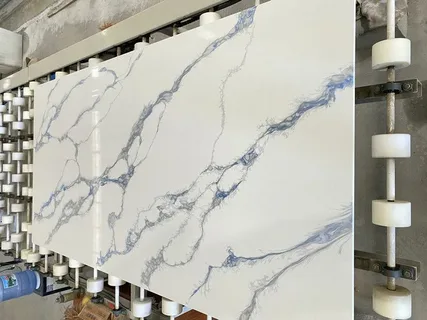
Choosing quartz slab color collections is an important step in creating a beautiful, coordinated interior. The right countertop color can complement cabinetry, flooring, wall finishes, and lighting while establishing the atmosphere of a kitchen, bathroom, or commercial space. From crisp white surfaces to warm neutral tones and dramatic veined patterns, quartz offers a wide range of design possibilities.
HanStone Quartz by Hyundai L&C features an extensive selection of colors and patterns suited to different interior preferences. Understanding how these options interact with existing finishes, room dimensions, and everyday requirements can help homeowners, designers, and property developers make informed decisions before selecting a countertop.
Explore Quartz Slab Color Collections by Interior Style
Every interior has its own character, and countertop color plays an important role in defining the finished appearance. Exploring different quartz color palettes makes it easier to identify a surface that complements the intended design.
White and Cream Quartz for Timeless Interiors
White quartz countertops remain a popular consideration for homeowners seeking a bright, versatile appearance. These surfaces can complement traditional cabinetry, contemporary kitchens, minimalist bathrooms, and open-plan living spaces.
Cream and ivory shades introduce warmth without creating a visually heavy effect. They work particularly well alongside natural wood cabinets, brushed metal hardware, and warm neutral wall colors.
For example, HanStone Quartz features designs such as Chantilly, which combines a crisp white background with delicate charcoal veining. Strivento offers a creamy-white appearance with subtle movement, providing another option for interiors that benefit from a softer palette.
Grey Quartz for Contemporary Spaces
Grey quartz provides a balanced foundation for modern interiors. Light grey surfaces can create a restrained, understated appearance, while deeper grey tones introduce contrast and visual definition.
These shades pair well with white cabinetry, black fixtures, stainless steel appliances, and natural wood accents. In bathrooms, grey quartz can complement neutral tiles and streamlined fittings. In commercial interiors, it can contribute to a consistent appearance across reception counters, work surfaces, and other designated applications.
When comparing grey quartz colors, consider the undertones. Some surfaces appear cooler and more industrial, while others contain warmer shades that create a softer atmosphere.
Dramatic Veining for Statement Countertops
For interiors that require a distinctive focal point, quartz slabs with pronounced veining can introduce movement and character. Marble-inspired patterns combine contrasting lines and background colors to create visual interest without requiring natural stone.
Calacatta Gravo from HanStone Quartz features soft grey veining against a white background. Its flowing pattern can complement classic interiors while also working in contemporary spaces.
Bold patterns are particularly effective on kitchen islands, bathroom vanities, and selected feature counters. However, balance is essential. Pairing a highly expressive slab with simpler cabinetry and restrained decorative elements helps prevent the overall design from feeling crowded.
How to Choose the Right Quartz Countertop Color
Selecting a countertop involves more than choosing an attractive shade. The most suitable option should coordinate with the room, support the intended design, and meet the practical requirements of the project.
Consider the following steps before making a final decision.
- Identify the existing color palette. Review cabinet finishes, flooring, wall colors, appliances, and hardware to understand which shades will complement the space.
- Determine the desired atmosphere. Decide whether the room should feel bright, warm, understated, dramatic, or contemporary.
- Compare patterns and undertones. Examine whether the slab contains cool grey, warm beige, golden, or contrasting accents.
- Evaluate the full slab. Look beyond a small sample to understand the pattern’s scale, direction, and overall movement.
- Confirm practical requirements. Discuss slab dimensions, thickness, edge profiles, fabrication, and installation with a qualified dealer or fabricator.
Following these steps creates a clearer selection process and reduces the likelihood of choosing a color that looks different from the intended design once installed.
Why Lighting Matters When Comparing Quartz Colors
Lighting can significantly influence the appearance of quartz countertops. A surface that looks bright and neutral in a showroom may appear warmer, cooler, or darker under different lighting conditions.
Natural light changes throughout the day, while artificial lighting introduces additional color variations. Warm bulbs can emphasize cream and beige undertones, whereas cooler lighting may make certain whites and greys appear more pronounced.
Before choosing from quartz slab color collections, request a sample and examine it in the intended installation area. View it near cabinetry, flooring, and wall finishes during different times of day.
It is also useful to compare the sample under the artificial lighting planned for the finished room. This approach provides a more realistic understanding of how the countertop will interact with the surrounding materials.
For larger projects, reviewing the full slab in person is particularly valuable. A small sample may not accurately communicate the scale of the veining or the distribution of contrasting colors across an expansive surface.
Coordinate Quartz Slabs with Cabinets and Flooring
A coordinated color scheme helps create visual continuity throughout an interior. Countertops should complement surrounding materials rather than compete with every design feature.
For light cabinetry, grey quartz or a veined white surface can introduce contrast while preserving a bright appearance. Dark cabinetry can pair with white or cream quartz to create definition, or with deeper grey surfaces for a more cohesive, dramatic effect.
Natural wood finishes offer another useful starting point. Warm beige and cream quartz can reinforce an inviting palette, while cooler grey surfaces provide contrast against honey-toned or reddish wood.
Flooring also deserves careful consideration. If the floor contains prominent patterns, a more restrained countertop may create better balance. Conversely, simple flooring can provide room for a distinctive quartz pattern to become a focal point.
A practical approach is to select one dominant material, one complementary finish, and one accent. This creates a clear visual hierarchy and makes it easier to coordinate the remaining details, including backsplashes, fixtures, and decorative accessories.
Consider Pattern, Slab Size, and Edge Profiles
Color is only one part of the countertop selection process. Pattern scale, slab dimensions, and edge profiles can influence the final result just as strongly.
Subtle patterns often suit compact kitchens and bathrooms because they maintain a relatively quiet visual appearance. Larger spaces and kitchen islands may accommodate more pronounced veining, particularly when the surrounding finishes are simple.
Slab dimensions should be reviewed early in the planning process. The countertop layout, island measurements, seams, and cutouts can affect how a pattern appears after fabrication. Coordinating these details with a fabricator helps establish realistic expectations before installation.
Edge profiles also contribute to the overall design. A simple eased edge can support a clean, contemporary aesthetic, while a beveled or more decorative profile may complement traditional interiors.
When selecting a patterned surface, discuss vein placement and seam positioning with the fabricator. Thoughtful planning can help maintain visual continuity across adjoining sections and make the completed countertop appear more intentional.
Balance Appearance with Everyday Performance
A countertop must suit daily activities as well as the desired interior style. Kitchens may require surfaces that accommodate frequent food preparation, while bathroom vanities need to complement moisture-prone surroundings and regular cleaning routines.
HanStone Quartz is an engineered quartz surface designed for residential and commercial applications. Hyundai L&C highlights characteristics such as low maintenance, stain resistance, and scratch resistance in its product information. The material is also nonporous and does not require routine sealing.
However, no countertop should be treated as indestructible. Heat exposure, abrasive tools, heavy impacts, and unsuitable cleaning products can affect a surface. Follow the manufacturer’s care instructions and use appropriate protection when placing hot cookware or handling heavy objects.
Before selecting a color, review the product specifications and warranty information for the particular design. Confirm that the surface is suitable for the intended application and discuss any project-specific requirements with an authorized dealer or fabricator.
Considering performance alongside appearance helps ensure that the selected countertop supports both the design goals and the practical needs of the space.
Discover HanStone Quartz Color Options from Hyundai L&C
Finding the right countertop becomes easier when several designs can be compared according to color, pattern, and finish. HanStone Quartz offers options ranging from understated neutral surfaces to expressive marble-inspired designs.
Homeowners and design professionals can explore featured colors such as Chantilly, Calacatta Gravo, Strivento, and other available selections to understand the variety of looks possible with engineered quartz.
The selection process should include more than browsing product photographs. Reviewing samples, examining full slabs, and discussing fabrication requirements can help clarify how a particular surface will work within a finished interior.
Hyundai L&C provides product information and resources to help customers explore colors, understand installation considerations, and locate dealers. These resources can support a more organized decision-making process, from initial inspiration to final material selection.
Conclusion
Choosing quartz slab color collections requires a balance of visual appeal, material coordination, and everyday practicality. White and cream surfaces can create a timeless atmosphere, grey tones offer contemporary versatility, and dramatic veining can establish a distinctive focal point.
By evaluating lighting, comparing samples, coordinating cabinetry and flooring, and planning fabrication details early, homeowners and designers can make more confident countertop decisions.
HanStone Quartz by Hyundai L&C offers a range of colors and patterns for different interior styles. Explore the available collections, review product specifications, and consult a qualified dealer or fabricator to identify a surface that complements the space and supports the project’s requirements.
