



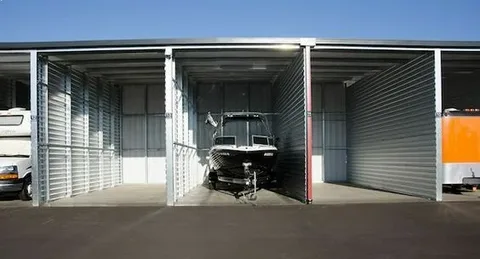
Parking a recreational vehicle for a few weeks or several months requires more preparation than simply turning off the engine and walking away. Weather, dust, and long periods without movement can slowly affect both the exterior and internal systems of an RV. Many owners who use RV storage units take a few careful steps before parking to help protect their vehicle and keep it ready for the next trip.
Wash the Exterior Before Placing the RV into Storage
Cleaning the outside of the RV before placing it into storage removes dirt, road salts, and bug residue that can damage paint over time. Debris that stays on the surface for months can harden and become difficult to remove later. Washing the vehicle also makes it easier to notice scratches, loose seals, or small issues that should be addressed before storing it. A clean exterior helps protect rubber seals and window trim from long exposure to grime. Many people who search for storage units near me choose to rinse the roof and side panels thoroughly before parking. Removing contaminants reduces the chance of stains or corrosion developing while the RV sits unused.
Disconnect Batteries to Prevent Slow Power Drain
Electrical systems in recreational vehicles often draw small amounts of power even when appliances appear turned off. Over time, that steady drain can weaken or completely discharge the battery. Disconnecting the battery prevents unnecessary power loss during extended storage. Another benefit of disconnecting power comes from reducing strain on electrical components. RV owners who use storage units sometimes remove the battery entirely and keep it on a maintenance charger at home. That simple step helps the battery maintain a healthy charge until the vehicle returns to the road.
Close All Vents and Windows to Keep Dust out
Outdoor air can carry dust, pollen, and small debris that slowly collect inside parked vehicles. Leaving roof vents or windows slightly open may seem harmless, but over several weeks it allows particles to settle on seats, floors, and cabinets. Properly sealing these openings creates a barrier that protects the interior. RV owners using RV storage units often double-check roof vents and window latches before leaving the vehicle. A quick inspection helps keep the living space cleaner and prevents insects from entering during storage.
Lock All Doors, Compartments, and Exterior Panels
Recreational vehicles contain multiple storage compartments along the sides of the body. These panels hold tools, hoses, and maintenance equipment used during travel. Locking each compartment helps prevent tampering while the vehicle remains parked. Security also includes locking the main door and any exterior access panels. Many people who store their vehicles in storage units add an additional hitch lock or steering wheel lock for extra protection. These simple precautions reduce the chance of unauthorized access.
Remove Valuables from the RV Before Leaving It
Personal items left inside a vehicle can attract attention and create unnecessary risk. Electronics, cameras, and camping gear may be expensive or difficult to replace if lost. Removing valuables before placing the RV into storage protects these belongings.
Clearing the interior also reduces clutter that can shift during long storage periods. Many RV owners take a few minutes to empty cabinets and drawers before visiting storage units near me. Keeping the interior simple makes it easier to inspect the vehicle when returning later.
Keep the Fuel Tank Partly Filled During Storage
Fuel systems benefit from having some gasoline or diesel in the tank during storage. Leaving the tank nearly empty can allow condensation to form inside, especially when temperatures change. Moisture in the fuel system may cause engine problems when the RV is used again. Maintaining a partially filled tank helps reduce air space where condensation develops. Many experienced owners who store vehicles in RV storage units add a fuel stabilizer to the tank as well. This combination helps protect the engine and keeps the fuel system cleaner.
Inflate Tires to Proper Pressure Before Parking
Tires slowly lose air when a vehicle sits for long periods. Underinflated tires may develop flat spots where the rubber rests against the ground. These spots can create vibrations once the vehicle returns to the road. Checking tire pressure before placing the RV into storage reduces that risk. Drivers who use storage units often inflate the tires slightly above the recommended level to compensate for slow air loss. This small adjustment helps maintain the shape of the tires during storage.
Visit the Unit Occasionally to Inspect the Vehicle
Even well-prepared vehicles benefit from occasional checks while in storage. A brief visit allows owners to confirm that locks remain secure and that no visible issues have developed around the RV. Periodic inspections also allow the owner to start the engine or check tire pressure if necessary. Many RV users who rely on RV storage units stop by their unit every few weeks to ensure everything remains in good condition. Storage Partner offers convenient storage options that help keep recreational vehicles protected and accessible whenever the next road trip begins.
