



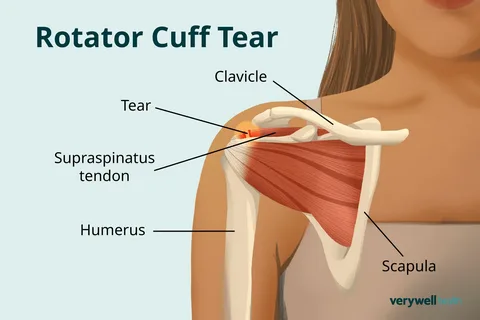
Shoulder injuries rarely announce how serious they are at first. A dull ache during a workout or a sharp pull while lifting something overhead can signal deeper structural damage. Early evaluation by a sports medicine doctor helps determine whether the issue involves simple strain or a more complex rotator cuff or biceps tendon tear that requires focused care.
Precise Diagnostic Imaging for Depth of Tear Assessment
Accurate diagnosis begins with imaging that reveals the true extent of tissue damage. X-rays may rule out fractures, but advanced tools such as MRI and ultrasound allow a sports medicine doctor to see the thickness, location, and depth of tendon tears. This distinction matters because partial tears often respond differently than full-thickness ruptures. Detailed imaging also identifies whether the tendon has retracted from its attachment point. An orthopedic sports medicine specialist uses these findings to decide whether conservative treatment is appropriate or if surgical repair is necessary. Without precise imaging, patients may underestimate the injury and delay proper care.
Customized Non-Surgical Regenerative Therapy Options
Not every tear requires surgery. Many partial rotator cuff and biceps tendon injuries improve with targeted non-surgical strategies. A sports medicine doctor near me may recommend regenerative therapies, structured physical therapy, and guided injections to support tissue healing. Treatment plans vary based on age, activity level, and severity of the tear. A personalized approach reduces stress on damaged tendons while strengthening surrounding muscles. Orthopedic sports medicine providers often combine modalities to restore function without invasive procedures whenever possible.
Prevention of Progressive Muscle Atrophy and Retraction
Tendon tears can lead to muscle weakening if left untreated. Over time, muscle fibers shrink and lose strength due to disuse and nerve changes. Early intervention by a sports medicine doctor helps limit this progression.
Muscle retraction can complicate future repairs. Once a tendon pulls away from bone and retracts significantly, surgical correction becomes more complex. Prompt evaluation preserves tissue integrity and increases the likelihood of successful recovery.
Restoration of Shoulder Girdle and Elbow Biomechanics
The shoulder functions as part of a larger kinetic chain. Damage to the rotator cuff or biceps tendon affects how the shoulder blade, collarbone, and elbow move together. An orthopedic sports medicine specialist evaluates these mechanics carefully.
Restoring balanced motion reduces strain on adjacent joints. Therapy focuses on strengthening stabilizing muscles and correcting posture. A sports medicine doctor near me may collaborate with therapists to retrain movement patterns that protect healing tissue.
Minimally Invasive Repair to Reduce Surgical Trauma
When surgery becomes necessary, modern techniques aim to limit disruption. Arthroscopic procedures allow surgeons to repair torn tendons through small incisions. This approach decreases pain and shortens recovery time.
Minimally invasive methods also reduce scar formation. An experienced sports medicine doctor understands how to position anchors and sutures precisely to secure the tendon back to bone. Precision repair supports long-term stability and function.
Coordination of Specialized Sport-Specific Rehabilitation
Rehabilitation differs between a baseball pitcher and a recreational weightlifter. Sport-specific therapy tailors exercises to the demands of each activity. Orthopedic sports medicine providers coordinate rehab programs that reflect real movement patterns.
Training adjustments progress in stages. A sports medicine doctor monitors healing milestones and modifies therapy intensity accordingly. Structured guidance helps athletes rebuild confidence while avoiding re-injury.
Early Detection of Secondary Labral or Cartilage Damage
Rotator cuff and biceps injuries sometimes occur alongside labral tears or cartilage damage. Comprehensive evaluation ensures these related injuries are not overlooked. Imaging and clinical exams reveal subtle signs that may otherwise remain hidden.
Addressing secondary damage prevents persistent instability. A sports medicine doctor near me reviews the entire shoulder complex to identify contributing factors. Early detection supports more complete recovery and reduces chronic pain.
Management of Chronic Inflammation and Pain Cycles
Inflammation plays a significant role in tendon injuries. Ongoing irritation can prolong discomfort and delay healing. Orthopedic sports medicine specialists focus on reducing inflammatory triggers through medication, therapy, and activity modification.
Breaking the pain cycle allows muscles to function normally again. A sports medicine doctor uses targeted interventions to calm irritated tissue and improve range of motion. Consistent management keeps small problems from becoming long-term limitations.
Optimized Return-to-Play Timelines for Athletes
Returning to activity too quickly risks reinjury. At the same time, extended inactivity can reduce strength and coordination. A sports medicine doctor balances these concerns by creating realistic timelines based on healing progress.
Performance testing helps determine readiness. Strength, stability, and endurance are evaluated before clearance. Orthopedic sports medicine care ensures athletes return safely, not just quickly.
Dr Boyett provides comprehensive evaluation and treatment options tailored to rotator cuff and biceps tendon injuries. Through advanced imaging, precise repair techniques, and individualized rehabilitation planning, he helps patients regain strength and mobility. His approach supports safe recovery while guiding athletes and active individuals back to the activities they value most.
