



Entity resolution and hard drive destruction might seem like two separate processes, but they are deeply interconnected. In today’s digital age, managing data effectively is crucial. Entity resolution helps in identifying and linking data records accurately. On the other hand, hard drive destruction ensures that sensitive information is permanently erased. Both these processes play a vital role in protecting an organization’s data.
Understanding Entity Resolution in Data Management
Entity resolution refers to the process of identifying and merging duplicate records within databases. It ensures that all related data points are correctly linked. This process is essential for maintaining accurate and reliable data sets. Without proper entity resolution, organizations may face issues with data inconsistency. These inconsistencies can lead to incorrect decision-making and operational inefficiencies. For instance, if customer records are not properly resolved, it could result in poor customer service experiences. Thus, entity resolution forms the backbone of effective data management strategies.
The Role of Hard Drive Destruction in Data Security
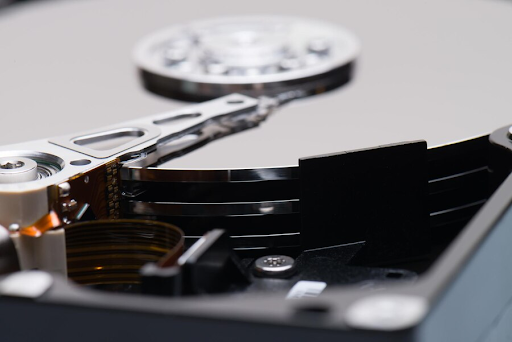
Hard drive destruction involves physically dismantling storage devices to ensure data cannot be recovered. This process is critical for organizations handling sensitive information. By destroying hard drives, companies can safeguard against data breaches. Unauthorized access to discarded drives can expose confidential information. Such exposure can lead to severe legal and financial consequences. Therefore, implementing a robust hard drive destruction process is necessary. It provides peace of mind knowing that sensitive data is irretrievable.
Connecting Entity Resolution with Hard Drive Destruction Processes
Entity resolution plays a pivotal role in streamlining hard drive destruction procedures. Before destroying drives, organizations must identify which devices contain sensitive data. This identification process relies heavily on accurate entity resolution techniques. By resolving entities, companies can pinpoint specific drives requiring destruction. This targeted approach reduces the risk of accidental data loss. Additionally, it optimizes resource allocation by focusing efforts on high-priority drives. Thus, entity resolution enhances the effectiveness of hard drive destruction operations.
Ensuring Accuracy through Entity Resolution Techniques
To achieve precise hard drive destruction, entity resolution techniques must be employed. These techniques involve analyzing metadata and cross-referencing information across systems. The goal is to create a comprehensive inventory of devices containing sensitive data. Advanced algorithms assist in detecting patterns and relationships between data points. As a result, organizations gain a clear understanding of which drives need attention. This clarity minimizes errors during the destruction process, ensuring complete data eradication.
Entity Resolution Enhances Hard Drive Destruction Efficiency
Efficiency is key when managing large volumes of hard drives for destruction. Entity resolution accelerates this process by automating data identification tasks. Automated systems reduce manual intervention, thereby minimizing human error. Furthermore, they provide real-time insights into device inventories. This instant access to information enables quicker decision-making. Companies can prioritize drives based on their sensitivity levels. Consequently, the overall hard drive destruction process becomes more streamlined and cost-effective.
Conclusion
Entity resolution and hard drive destruction are inseparable components of data security. Entity resolution ensures that all relevant devices are identified before destruction. Meanwhile, hard drive destruction guarantees permanent data removal. Together, they form a powerful duo in safeguarding sensitive information. Organizations must invest in both processes to maintain data integrity and protect against breaches. By doing so, they uphold their reputation and comply with regulatory standards.
