



Performing CPR in an emergency can be one of the most physically and emotionally demanding actions a person may take. Whether you’re a trained healthcare provider, a fitness professional, or a concerned parent, knowing how to deliver CPR properly—and when rescuers should switch positions during CPR – is crucial to maximizing the chances of survival for someone in cardiac arrest.
CPR is not just about knowing the right steps. It’s about sustaining high-quality chest compressions without interruption. And that means recognizing the importance of rescuer fatigue, the science behind rotation, and the technique for switching efficiently and safely.
Why Switching Rescuers Matters in CPR
According to current American Heart Association (AHA) guidelines, uninterrupted chest compressions at the correct depth and rate significantly improve the likelihood of survival. But even trained rescuers experience muscle fatigue faster than expected—often after just 1 to 2 minutes of continuous compressions.
As fatigue sets in, the quality of compressions decreases, reducing the blood flow to vital organs. That’s why timely rotation between rescuers is more than just a comfort tactic—it’s a critical component of effective CPR.
When Should Rescuers Switch Positions During CPR?
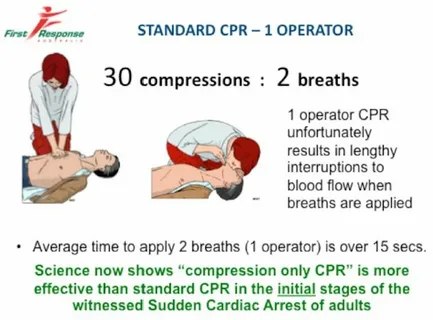
The recommended guideline is clear: rescuers should switch positions every 2 minutes, or after 5 cycles of 30 compressions and 2 breaths during two-rescuer CPR.
Why this timing?
- Muscle fatigue sets in fast: Compression depth and consistency suffer after 2 minutes.
- Maintains optimal performance: Fresh rescuers ensure effective compressions are sustained.
- Minimizes delays: When done efficiently, switching takes less than 5 seconds.
It’s essential that this transition happens with minimal interruption to chest compressions, ideally during the ventilation phase. That means as one rescuer gives breaths, the other moves into position for compressions.
For a detailed breakdown of timing and techniques, refer to this comprehensive guide on when rescuers should switch positions during CPR.
Best Practices for CPR Rescuer Switching
1. Anticipate and Plan the Switch
From the beginning, two-person teams should agree on switching every 2 minutes or after 5 cycles. A simple timer, stopwatch, or AED metronome can help track time.
2. Switch During Ventilation
The brief pause during rescue breaths is the safest and most logical time to change roles. With practice, this can be done in 3–5 seconds.
3. Communicate Clearly
Simple commands like “switch on my count” help ensure synchronization and reduce errors. Good communication is especially vital in high-stress scenarios.
4. Practice in Training
Hands-on practice with a partner in CPR training helps rescuers build confidence in timing, positioning, and switching techniques. The more familiar you are with the process, the smoother the real-life application.
Who Needs to Know This?
This guidance isn’t just for EMTs or hospital staff. Many everyday professionals and community members may find themselves in a position to provide CPR, including:
- Healthcare providers in outpatient clinics or nursing homes.
- Teachers, coaches, and school staff overseeing students.
- Fitness trainers working with high-risk individuals.
- Parents and caregivers of infants or elderly family members.
- Lifeguards and childcare workers in public or private facilities.
Regardless of profession, understanding when and how to switch positions during CPR can be the difference between an effective response and a missed opportunity to save a life.
Don’t Wait Until It’s an Emergency—Train in Advance
The most effective CPR is delivered by individuals who are trained, confident, and current in their certification. Online CPR and BLS training platforms, such as Simple CPR, offer a convenient and accessible way to get certified—or re-certified—from anywhere, on your schedule.
Simple CPR’s nationally recognized courses emphasize practical, real-world scenarios including two-rescuer CPR, AED use, and fatigue management strategies. Their curriculum is aligned with AHA guidelines and tailored for healthcare professionals, childcare workers, fitness experts, and the general public alike.
Conclusion: Switching Saves Lives
In a high-stakes emergency, every second matters. Knowing when rescuers should switch positions during CPR ensures that high-quality compressions are maintained from the first minute to the last. Rotating roles every 2 minutes keeps rescuers fresh and effective, allowing them to deliver care that maximizes the chance of survival.
Proper training, planning, and communication are key. With preparation and certification from trusted resources, you’ll be better equipped to act quickly, confidently, and correctly—whether you’re saving a stranger or someone you love.
