



When travelers consider European destinations,Visit moldova tourism rarely appears on their radar. Yet this small nation nestled between Romania and Ukraine offers an authenticity increasingly difficult to find in over-touristed Europe. To visit Moldova for tourism means discovering a country where ancient wine traditions thrive, medieval monasteries cling to cliffsides, and warm hospitality remains genuine rather than performative. As more discerning travelers seek meaningful experiences beyond conventional tourist circuits, Moldova emerges as a destination rewarding those willing to venture off the beaten path.
Why Visit Moldova for Tourism
Moldova presents compelling reasons for inclusion in European travel itineraries despite its relative obscurity. The country offers exceptional value, with costs significantly lower than Western European destinations while maintaining quality accommodations, excellent dining, and memorable experiences. Travelers accustomed to inflated tourist pricing throughout Europe find Moldova refreshingly affordable, allowing extended stays and premium experiences without budget strain.
Authenticity distinguishes Moldova from destinations transformed by mass tourism. Villages preserve centuries-old traditions not as tourist attractions but as living culture. Monasteries welcome visitors to genuine spiritual communities rather than museum-like historical sites. Winemakers share their craft with passion rather than rehearsed sales pitches. This authenticity creates connections between visitors and local culture that feel increasingly rare in commercialized tourism landscapes.
The country’s compact size enables comprehensive exploration within limited timeframes. From Chisinau, the capital, travelers reach most major attractions within two hours, allowing day trips to medieval fortresses, underground wine cellars, cliff-carved monasteries, and traditional villages without extensive travel times. This accessibility makes Moldova ideal for travelers with limited vacation days who still desire diverse experiences rather than superficial destination-hopping.
Wine Tourism: Moldova’s International Draw
Wine culture forms the cornerstone of Moldova tourism, offering experiences rivaling renowned European wine regions at fraction of the cost. The country ranks among the world’s top wine producers per capita, with viticulture woven into national identity for over 5,000 years. This deep-rooted wine heritage manifests in extraordinary underground complexes that stand unparalleled globally.
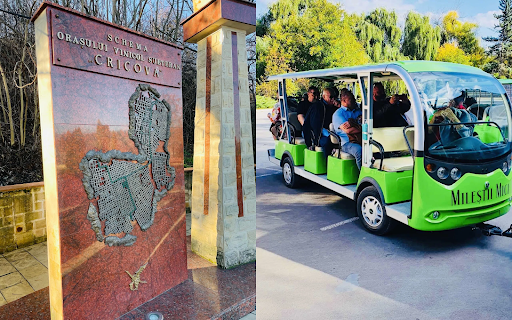
Cricova represents Moldova’s most famous wine attraction, featuring 120 kilometers of underground galleries converted from limestone mines into the world’s second-largest wine cellar. To visit Moldova without experiencing Cricova means missing the destination’s crown jewel. Descending into this subterranean realm reveals streets named after grape varieties, traffic signs guiding electric vehicles through tunnels, and millions of bottles aging in perfect climate-controlled conditions. Professional sommeliers lead tastings revealing Moldova’s capacity to produce wines competing favorably with established European regions.
Milestii Mici holds the Guinness World Record for the largest wine collection, with nearly two million bottles stored in 200 kilometers of underground passages. Beyond these famous cellars, Moldova’s wine routes connect visitors with boutique family wineries producing award-winning vintages from indigenous grape varieties like Feteasca Neagră and Rara Neagră. These intimate wineries offer personalized tastings, vineyard tours, and insights into winemaking traditions passed through generations.
The annual National Wine Day celebration in October transforms Chisinau into a massive outdoor festival where dozens of wineries showcase products, folk musicians perform traditional melodies, and local cuisine complements tastings. This event exemplifies how to visit Moldova during cultural celebrations that blend authentic tradition with visitor experiences, creating memorable encounters transcending typical tourism.
Cultural and Historical Experiences
Moldova’s cultural landscape reveals layers of history from ancient civilizations through medieval kingdoms to Soviet occupation. Orheiul Vechi stands as the country’s most spectacular site, combining archaeological significance with active spiritual life. This clifftop monastery complex overlooks dramatic bends in the Raut River, where monks continue centuries-old traditions in caves carved into limestone formations. Archaeological evidence reveals continuous habitation spanning 2,000 years, making it essential for anyone planning to visit Moldova for historical tourism.
Chisinau itself offers urban exploration blending Soviet-era architecture with 19th-century elegance, Orthodox cathedrals, expansive parks, and museums documenting national heritage. The National Museum of History provides comprehensive context for understanding Moldova’s position at the crossroads of empires, essential background for appreciating contemporary Moldova. Stefan cel Mare Central Park offers peaceful retreats where locals and visitors mingle beneath century-old trees, providing authentic glimpses into daily Moldovan life.
Soroca Fortress, a well-preserved medieval stronghold on the Dniester River, exemplifies military architecture from the age when Moldovan princes defended against Ottoman expansion. The circular fortress with five towers allows visitors to walk ramparts while imagining medieval defensive strategies. The fortress location provides panoramic views across the Dniester River into Ukraine, illustrating strategic importance that made this site crucial throughout turbulent history.
Capriana and Curchi monasteries rank among Moldova’s most beautiful religious sites, combining architectural beauty with spiritual significance. These active monasteries welcome respectful visitors to observe Orthodox traditions, admire religious frescoes and icons, and experience peaceful rural settings where contemplation flourishes. For travelers interested in religious heritage, these monasteries provide profound experiences unavailable in secularized tourist attractions.
The Transnistria Experience
Perhaps the most unusual reason to visit Moldova for tourism involves Transnistria, the breakaway region maintaining Soviet-era aesthetics and governance. This unrecognized state preserves Lenin statues, hammer-and-sickle symbols, and communist monuments removed elsewhere after the USSR’s collapse. Visiting Transnistria feels like time travel to the 1980s Soviet Union, with government buildings flying Soviet-style flags, shops displaying Soviet packaging aesthetics, and bureaucrats maintaining communist-era administrative procedures.
Day trips to Tiraspol, Transnistria’s capital, provide surreal experiences walking streets where Soviet ideology persists three decades after the Soviet Union’s dissolution. The territory’s unique currency features military imagery and Soviet symbols, creating unusual souvenirs impossible to obtain elsewhere. While politically controversial, Transnistria visits offer educational insights into post-Soviet frozen conflicts and opportunities to observe how communities maintain distinct identities despite international isolation.
Natural Beauty and Rural Tourism
Beyond cultural attractions, Moldova offers understated natural beauty appealing to travelers seeking tranquility over dramatic scenery. Codru forests represent some of Eastern Europe’s oldest woodland, protecting diverse ecosystems with hiking trails winding through peaceful landscapes. The Dniester River valley provides opportunities for kayaking, fishing, and riverside camping, while nature reserves protect wetlands supporting migratory birds and rare plant species.
Rural tourism initiatives throughout Moldova allow visitors to experience traditional village life authentically. Families open their homes to guests, providing accommodations where travelers participate in daily activities from bread baking to animal care to seasonal harvests. These agritourism experiences preserve rural culture while providing supplemental income to agricultural communities. Visitors gain insights into traditional Moldovan lifestyles that urbanization and modernization increasingly threaten.
Villages like Lalova, famous for carpet weaving, and Palanca, known for pottery, welcome visitors to observe artisan crafts using techniques passed through generations. These workshop visits combine cultural education with shopping opportunities directly benefiting local artisans, creating meaningful tourism exchanges rather than impersonal souvenir purchases.
Practical Considerations for Visiting Moldova
Planning to visit Moldova for tourism requires some practical preparation despite the country’s compact size and developing infrastructure. The best times to visit span spring through autumn, with each season offering distinct advantages. Spring brings blooming landscapes and comfortable temperatures ideal for outdoor exploration. Summer offers warm weather perfect for festivals and vineyard visits, though temperatures can be intense. Autumn provides spectacular foliage, grape harvest activities, and optimal wine tasting conditions.
Visa requirements remain straightforward for most nationalities, with citizens from the EU, US, Canada, and many other countries entering visa-free for stays up to 90 days. Chisinau International Airport connects to major European hubs, though direct intercontinental flights remain limited. Most international visitors transit through Bucharest, Vienna, or Istanbul when traveling from distant origins.
Accommodation options span budget hostels to boutique hotels, with Chisinau offering the widest selection while rural areas provide charming guesthouses and monastery stays. English proficiency is improving among tourism professionals, though Romanian and Russian remain dominant languages. Hiring guides or working with local travel agencies helps overcome language barriers while adding valuable cultural context.
Transportation within Moldova combines taxis, marshrutka minibuses, and rental cars for independent travelers, though hiring private drivers or joining organized tours simplifies logistics for those prioritizing convenience over budget considerations. The country’s road network continues improving, making self-driving increasingly viable for adventurous travelers comfortable navigating in unfamiliar territories.
Culinary Discoveries
Moldovan cuisine represents another compelling reason to visit moldova tourism, blending Romanian, Ukrainian, Russian, and Turkish influences into distinctive dishes. Mămăligă, a cornmeal porridge similar to polenta, forms the foundation for meals accompanied by local cheeses, sausages, and hearty stews. Plăcinte, savory or sweet pastries filled with cheese, cabbage, potatoes, or fruit, appear everywhere from street vendors to upscale restaurants.
Traditional restaurants throughout Moldova serve authentic dishes prepared from locally sourced ingredients, with the farm-to-table movement flourishing naturally in a country where many establishments maintain relationships with nearby farms. Food tours increasingly incorporate cooking classes where visitors learn to prepare traditional dishes while understanding their cultural significance, creating interactive culinary experiences beyond passive dining.
Conclusion
To visit Moldova for tourism means embracing a destination that rewards curiosity over convenience, authenticity over luxury, and genuine cultural exchange over Instagram-perfect backdrops. The country offers experiences increasingly rare in modern travel: the opportunity to discover rather than simply view, to connect with local culture rather than observe it through glass, and to explore a European nation before mass tourism transforms its essential character.
Moldova’s emergence as a tourism destination occurs at an ideal moment when sophisticated travelers increasingly value authenticity, seek destinations beyond overcrowded circuits, and prioritize meaningful experiences over status-symbol destinations. The warm hospitality of Moldovan people, the excellence of wines rivaling famous European regions, the serenity of unspoiled landscapes, and the fascinating layers of history create a destination that lingers in memory long after departure.
For travelers willing to venture slightly off the beaten path, choosing to visit Moldova for tourism provides rich rewards. This hidden European gem offers what modern tourism often lacks: genuine discovery, authentic encounters, and the satisfaction of exploring a destination where your presence as a visitor still feels special rather than routine. As word gradually spreads about Moldova’s treasures, the question becomes not whether to visit, but how soon you can experience this remarkable country before it transforms from hidden gem to discovered destination.
