



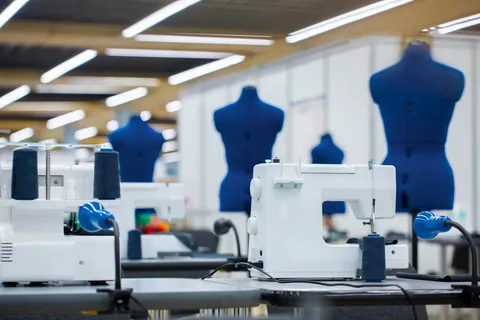
The fashion industry has always been a dynamic space, with trends and innovations continuously reshaping how we dress, shop, and experience fashion. As we move further into 2025, some apparel manufacturers are leading the charge in revolutionizing the industry, embracing new technologies, sustainable practices, and innovative business models. These companies are not just changing what we wear, but how fashion impacts our environment and the global economy.
The Role of Apparel Manufacturers in Shaping Fashion’s Future
Apparel manufacturers have always been the backbone of the fashion industry. However, in 2025, these companies are evolving beyond traditional production methods. They are using cutting-edge technologies such as AI, 3D printing, and automation to streamline their manufacturing processes and improve the efficiency of their supply chains. Additionally, sustainability is at the forefront of their business models, with many manufacturers opting for eco-friendly materials and adopting ethical production practices to meet the growing consumer demand for sustainable fashion.
Key Trends Driving the Revolution in 2025
- Sustainable and Ethical Production Practices
One of the most significant changes in 2025 is the emphasis on sustainability. As global awareness around climate change and ethical labor practices grows, apparel manufacturers are increasingly adopting green practices. Companies are sourcing eco-friendly materials, such as organic cotton, recycled polyester, and plant-based fabrics. Moreover, many are investing in technologies to reduce waste during production and embracing circular fashion, which focuses on designing products that can be easily recycled or upcycled.
- AI and Automation in Apparel Manufacturing
Artificial intelligence and automation are becoming integral to modern manufacturing. In 2025, top apparel manufacturers are using AI to predict trends, optimize inventory, and personalize products for consumers. Additionally, automation in production lines is making manufacturing faster and more efficient, allowing companies to keep up with rapidly changing fashion trends while minimizing costs.
- Direct-to-Consumer (DTC) Models
The rise of e-commerce has drastically altered how consumers purchase apparel, and the trend toward direct-to-consumer (DTC) models is accelerating in 2025. Top manufacturers are bypassing traditional retail channels and selling directly to consumers through online platforms. This shift is empowering brands to establish stronger connections with their customers, offering personalized shopping experiences and faster delivery times.
Leading Apparel Manufacturers Making Waves in 2025
Several apparel manufacturers are leading the way in revolutionizing the fashion industry in 2025. These companies stand out for their commitment to sustainability, innovation, and transforming how we think about fashion.
1. Patagonia
Known for its commitment to environmental sustainability, Patagonia has long been a leader in the eco-friendly fashion movement. In 2025, they continue to set the standard by using recycled materials and reducing water usage in production. The company’s “Worn Wear” program, which encourages customers to buy used clothing, is also gaining momentum, promoting the idea of circular fashion.
2. Nike
Nike has made significant strides in creating a more sustainable future for the sportswear industry. The company’s 2025 vision includes using 100% recycled or renewable materials in their products and striving for carbon neutrality across their supply chain. Their innovative use of 3D knitting technology and smart clothing is also pushing the boundaries of what’s possible in fashion manufacturing.
3. H&M Group
The H&M Group has committed to achieving a fully circular fashion system by 2025. They’re focusing on using sustainably sourced materials, such as organic cotton and recycled fabrics, and are investing in innovative manufacturing processes that reduce waste. The company is also leading the charge in making sustainable fashion more accessible to the mass market.
4. Uniqlo
Uniqlo, a global leader in affordable and functional clothing, is revolutionizing apparel manufacturing in 2025 by focusing on innovation in fabric technology. Their “LifeWear” line features materials that adjust to temperature and are made to last longer, reducing the need for frequent replacements. Uniqlo is also committed to transparency in their supply chain, ensuring ethical labor practices and sustainable production methods.
The Future of Apparel Manufacturing: What’s Next?
Looking ahead, the fashion industry in 2025 and beyond will continue to be shaped by these key apparel manufacturers who are embracing technology, sustainability, and ethical production. We can expect further innovations in fabric technology, with the possibility of biofabricated materials that mimic natural fabrics but are more sustainable. Additionally, artificial intelligence will likely play an even larger role in predicting trends, managing inventory, and optimizing production.
As consumers continue to demand more transparency and accountability from brands, the top apparel manufacturers will need to remain agile, ensuring they not only stay ahead of trends but also lead in social and environmental responsibility. The manufacturers revolutionizing the fashion industry in 2025 are setting the stage for a more sustainable, efficient, and ethical future in fashion.
In conclusion, the apparel manufacturers revolutionizing the fashion industry in 2025 are at the forefront of a transformation that prioritizes sustainability, technology, and innovation. By adopting cutting-edge technologies and making sustainable practices the cornerstone of their operations, these companies are not only shaping the fashion industry but also paving the way for a greener and more ethical future.
