



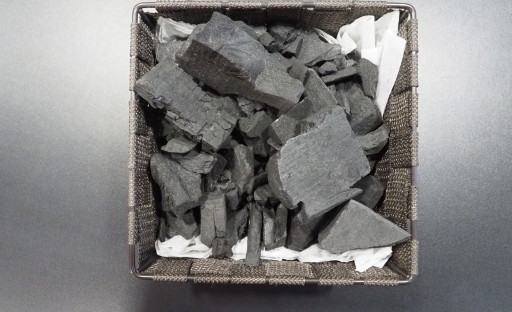
Industrial carbon graphite is a marvel of material science, prized for its incredible combination of properties that make it indispensable across numerous applications. Its ability to withstand extreme environments, maintain strength under high pressure, and conduct electricity make it valuable in various sectors, mainly aerospace, automotive, and energy.
However, their reliability and performance in demanding fields hinge on one crucial factor: quality control. This article discusses its significance, the testing methods employed, and the challenges manufacturers face in delivering the best graphite products while maintaining high standards.
Why Quality Control is Non-Negotiable
Carbon graphite is perfect for use in industries where material failure is not an option, but the graphite products must be of premium quality. For instance, poorly made graphite parts in jet turbines may cause the blades to fail mid-flight. In nuclear power plants, a reactor component can malfunction if crafted with low-quality graphite, risking safety hazards, environmental damage, and significant financial losses. By enforcing strict quality control practices, graphite manufacturing companies can:
- Ensure Product Performance and Reliability
Even a slight crack or defect in graphite components can lead to catastrophic consequences in industries like aerospace and medical device production. Quality control ensures that the graphite materials exhibit the specifications for their intended use, whether structural integrity, thermal conductivity, or electrical properties.
- Enhance Product Longevity and Cost Efficiency
Carbon graphite is sought after for its durability in extreme environments, from high temperatures to harsh chemicals. Only thorough quality control and testing can ensure that the final graphite products last. Having components with extended lifespans reduces the need for frequent replacements or repairs, minimizes operational downtime, and cuts maintenance costs.
- Meet International Standards and Regulations
Many industrial applications require compliance with guidelines set by regulatory bodies, such as the International Organization for Standardization (ISO) and the American Society for Testing and Materials (ASTM). Some policies focus on proper methods of determining the material’s strength, while others aim to uphold carbon neutrality and sustainable manufacturing practices.
Enforcing quality control processes in production ensures that the graphite products meet these regulations. As a result, manufacturers and clients will have confidence in the quality of their materials.
Incorporating Quality Control Processes in Production
Rigorous testing procedures are implemented throughout every manufacturing stage, from initial material selection to final refining. Doing so helps guarantee that the material meets the required specifications and will perform excellently under the most demanding conditions. Here’s an overview of the quality control processes involved:
- Raw Material Selection
Quality assurance processes start when sourcing high-purity raw carbon graphite. Whether natural or synthetic, the base materials are inspected thoroughly for impurities and classified under specific grades according to their suitability for certain applications. - Manufacturing Process Monitoring
Every step in the manufacturing process is also monitored carefully, from grinding, mixing, and molding to sintering and machining. Monitoring these procedures involves using advanced systems that track pressure, temperature, and material composition. Doing so reduces variability and ensures consistency in material quality. - Final Product Inspection
Before delivering the crafted graphite components to clients, they must undergo comprehensive tests. Each piece is inspected to verify its density, porosity, hardness, and dimensional accuracy. With the help of sophisticated technologies and imaging techniques, manufacturers can also check the products for defects invisible to the naked eye.
Evaluating the Final Product
Besides quality control processes, performing standardized tests on carbon graphite products is also necessary to assess their properties, reliability, and performance. Here are the essential tests they undergo:
- Mechanical Testing
Carbon graphite is often used in bushings and support components that handle heavy loads in industrial operations. These components may also be subjected to bending forces and constant vibrations, necessitating testing the material’s tensile, compressive, and flexural strength. Simulating real-world stress and force helps ensure it won’t break easily under heavy loads and can withstand compression and sudden shock or impacts in operations.
- Physical Property Testing
Graphite must be tested for porosity, density, and grain size, all of which influence its strength, permeability, and wear resistance. In density testing, the graphite material’s mass per unit volume is measured to determine whether it has uniform density. Doing so verifies its ability to maintain durability, thermal performance, and chemical resistance in high-stress applications.
In porosity testing, the permeability is checked by analyzing the graphite’s grain size, distribution, and type and volume of pores using gas or liquid penetration methods. High porosity can compromise the part’s strength and fluid resistance, while low porosity ensures reliable performance, especially in seals and bearings.
- Thermal Property Testing
Graphite’s thermal conductivity and expansion are critical for heat exchange and management systems. Some tests, like the laser flash analysis, measure how well the material conducts heat, while others measure the capacity of heat required to raise the material’s temperature.
There are also techniques for assessing how much it contracts when temperatures change. Evaluating these properties ensures the material remains stable and functional even in extreme and fluctuating temperatures.
- Electrical Property Testing
Electrical conductivity is vital for graphite parts used in electrodes, mechanical brushes, semiconductors, and similar technologies. At the same time, the material’s resistivity to the flow of electrical current is just as important to regulate the appropriate level of currents flowing in circuits. Testing these properties involves applying a voltage and measuring the current flow through the material.
Safeguarding In-Service Graphite Components
Graphite parts already in operation must also be checked to ensure their integrity. Here are the non-destructive testing (NDT) methods employed for such cases:
- Eddy Current Testing: This method uses electromagnetic induction to identify surface and near-surface cracks, flaws, and variations in material properties.
- Radiographic Testing: This test utilizes X-rays or gamma rays to penetrate graphite materials. Projecting the rays creates images that unveil interior defects, variations in material density, and other hidden imperfections.
- Ultrasonic Testing: This procedure penetrates the graphite product using high-frequency sound waves. It reveals internal flaws and defects that might be difficult to spot.
Conclusion
The role of rigorous quality control in producing the best graphite cannot be overstated. It involves monitoring processes, maintaining strict process control, and implementing various tests from beginning to end of production. Doing so gives manufacturers the confidence that their products meet the highest standards and will perform flawlessly. After all, there’s no room for compromise, especially in industrial applications where safety and reliability are top priorities.
