



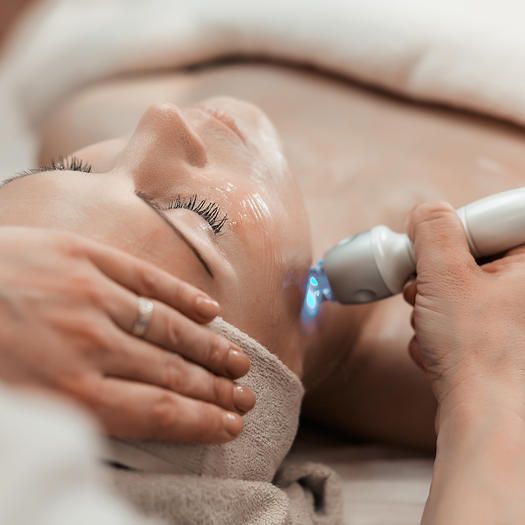
Sensitive skin is a common and often challenging skin type, characterized by its propensity to react easily to various triggers, including certain skincare products, environmental factors, and even emotional stress. Symptoms can range from redness, itching, stinging, and burning to dryness, flakiness, and breakouts. The key to managing sensitive skin and achieving a healthy complexion lies in choosing treatments that are not only effective but, more importantly, safe and gentle, prioritizing barrier integrity and soothing properties.
Understanding Sensitive Skin
Sensitive skin often has a compromised skin barrier skin treatment, which is the outermost layer responsible for protecting against irritants and retaining moisture. When this barrier is weakened, irritants can penetrate more easily, leading to inflammation and reactivity. Therefore, the goal of sensitive skin treatment is to strengthen this barrier, reduce inflammation, and avoid known triggers.
Core Principles for Treating Sensitive Skin
Regardless of the specific treatment chosen, these principles should always guide care for sensitive skin:
- Patch Testing: Always test new products on a small, inconspicuous area of skin for at least 24-48 hours before full application.
- Minimalism: Less is often more. Opt for a simple routine with fewer ingredients to reduce the risk of irritation.
- Avoid Irritants: Steer clear of fragrances (natural and synthetic), dyes, harsh alcohols, strong exfoliants, and certain essential oils.
- Barrier Support: Prioritize ingredients that help repair and strengthen the skin’s natural protective barrier.
- Sun Protection: Sensitive skin is often more vulnerable to sun damage, which can exacerbate redness and irritation. Daily broad-spectrum SPF 30+ is crucial.
Safe and Gentle Treatment Options
Here are effective skin treatments that are generally well-tolerated by sensitive skin types:
1. Gentle Cleansers
- How they help: Harsh cleansers can strip the skin’s natural oils and compromise the barrier. Opt for creamy, non-foaming, or low-foaming cleansers that are pH-balanced and free from sulfates and fragrances.
- Key Ingredients: Glycerin, ceramides, hyaluronic acid.
- What to expect: Skin feels clean but not tight or stripped.
2. Barrier-Repairing Moisturizers
- How they help: These moisturizers are designed to replenish lipids in the skin barrier, reducing water loss and protecting against irritants.
- Key Ingredients: Ceramides, cholesterol, fatty acids, squalane, colloidal oatmeal, niacinamide.
- What to expect: Skin feels hydrated, soothed, and less reactive over time.
3. Niacinamide (Vitamin B3)
- How it helps: A versatile ingredient that strengthens the skin barrier, reduces redness and inflammation, and helps balance oil production without irritation. It also offers antioxidant benefits.
- Best for: Redness, mild sensitivity, barrier dysfunction, mild breakouts.
- What to expect: Gradual reduction in redness and improved skin resilience.
4. Azelaic Acid
- How it helps: A gentle acid with anti-inflammatory, antibacterial, and mild exfoliating properties. It’s excellent for reducing redness, treating rosacea-related breakouts, and fading post-inflammatory hyperpigmentation, often tolerated by sensitive skin.
- Best for: Rosacea, inflammatory acne, redness, uneven tone.
- What to expect: Reduction in redness and breakouts, improved skin clarity.
5. Hyaluronic Acid Serums
- How it helps: A powerful humectant that draws and holds moisture in the skin without irritation. Well-hydrated skin is less prone to sensitivity and flakiness.
- Best for: Dryness, dehydration, plumping fine lines caused by dehydration.
- What to expect: Immediate hydration, plumping effect, and improved skin comfort.
6. LED Light Therapy (Red Light)
- How it helps: Red light therapy is non-invasive and deeply soothing. It reduces inflammation, promotes cellular repair, and can calm redness and irritation without heat or discomfort.
- Best for: Redness, inflammation, post-procedure healing, general skin calming.
- What to expect: No downtime, a warm sensation, and gradual reduction in redness and sensitivity over multiple sessions.
7. Gentle Chemical Peels (e.g., Lactic Acid)
- How they help: While strong peels can irritate, very superficial peels with gentle AHAs like lactic acid can provide mild exfoliation to improve texture and tone without causing significant redness or peeling. They also have hydrating properties.
- Best for: Mild dullness, uneven texture, when gentle exfoliation is needed.
- Considerations: Must be performed by a qualified professional who understands sensitive skin.
8. Professional Soothing Facials
- How they help: A customized facial performed by an experienced aesthetician can provide deep cleansing and hydration using products specifically formulated for sensitive skin. It often includes calming masks and gentle massage to reduce inflammation and strengthen the skin barrier.
- Best for: General skin maintenance, calming flare-ups, deep hydration.
- What to expect: Relaxing experience, immediate soothing, and improved skin comfort.
Conclusion
Managing sensitive skin requires a thoughtful and gentle approach. By prioritizing barrier-repairing ingredients, avoiding common irritants, and opting for treatments known for their soothing and strengthening properties, individuals with sensitive skin can achieve a calm, comfortable, and radiant complexion. Always consult with a dermatologist or a qualified aesthetician to tailor a skincare regimen that is perfectly suited to your unique needs.
