



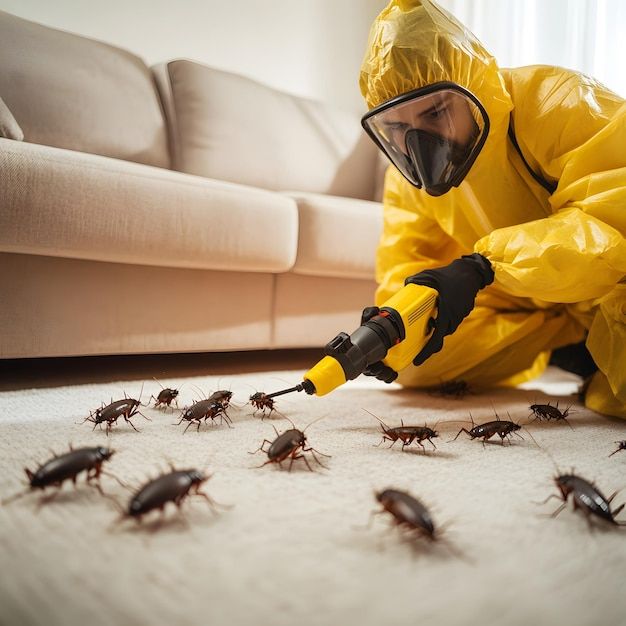
Maintaining a pest-free property doesn’t have to rely solely on chemical sprays and reactive treatments. Integrated Pest Management (IPM) offers a sustainable, effective approach to controlling pests while minimizing environmental impact and safeguarding human and animal health. By combining prevention, monitoring, and targeted interventions, pest control pittsburgh provides homeowners and property managers with a comprehensive strategy that addresses the root causes of infestations rather than simply treating the symptoms.
Table of Contents
ToggleWhat is Integrated Pest Management?
Integrated Pest Management is a holistic approach to pest control that emphasizes long-term prevention, careful monitoring, and the selective use of control methods. Rather than applying pesticides indiscriminately, IPM focuses on understanding the biology, behavior, and ecology of pests to manage them effectively and sustainably.
Key principles of IPM include:
-
Prevention: Reducing conditions that attract pests.
-
Monitoring: Identifying pest activity and population levels.
-
Thresholds: Determining when pest levels require intervention.
-
Control: Using the least harmful methods first, escalating only when necessary.
Benefits of IPM
1. Environmental Sustainability
-
Reduces reliance on chemical pesticides, preventing soil, water, and air contamination.
-
Promotes biodiversity by preserving beneficial insects and natural predators.
2. Health and Safety
-
Minimizes exposure to harmful chemicals for humans and pets.
-
Reduces risks associated with pesticide overuse, such as respiratory or skin issues.
3. Cost-Effectiveness
-
Preventive measures and targeted interventions often reduce long-term expenses compared to repeated chemical treatments.
4. Long-Term Effectiveness
-
By addressing the causes of infestations, IPM prevents recurring problems, rather than offering temporary solutions.
Core Components of IPM
1. Inspection and Monitoring
-
Regularly check your property for signs of pests, such as droppings, damage, or nests.
-
Use traps or monitoring devices to track pest activity and population levels.
2. Prevention Techniques
-
Sanitation: Keep living and storage areas clean to remove food and water sources.
-
Structural Maintenance: Seal cracks, repair leaks, and install screens to block entry.
-
Landscape Management: Trim vegetation, remove standing water, and manage waste to reduce outdoor pest habitats.
3. Threshold-Based Action
-
Not all pest sightings require immediate intervention. IPM relies on action thresholds to determine when control measures are necessary, preventing unnecessary treatments.
4. Control Methods
Cultural Controls:
-
Modify behaviors and routines to make the environment less hospitable to pests, such as proper food storage and waste management.
Mechanical and Physical Controls:
-
Barriers, traps, and other non-chemical methods to capture or exclude pests.
Biological Controls:
-
Introduce natural predators or beneficial organisms to reduce pest populations, such as ladybugs for aphid control or nematodes for soil pests.
Chemical Controls (Last Resort):
-
Targeted and minimal use of pesticides when other methods are insufficient.
-
Selection of low-toxicity products reduces environmental impact and exposure risks.
Implementing IPM at Home or Property
-
Assessment: Conduct a thorough inspection to identify pest types, entry points, and environmental factors.
-
Plan: Develop a strategy combining preventive, mechanical, biological, and chemical measures.
-
Monitor: Track pest activity over time and adjust strategies as needed.
-
Review: Evaluate effectiveness and adapt long-term plans to prevent future infestations.
Conclusion
Integrated Pest Management provides a sustainable, effective, and safe approach to pest control. By focusing on prevention, monitoring, and targeted interventions, IPM reduces environmental impact, protects human and animal health, and ensures long-term success in managing pests. Whether applied to a home, garden, or larger property, adopting IPM principles transforms pest control from a reactive chore into a proactive, environmentally responsible strategy.
