



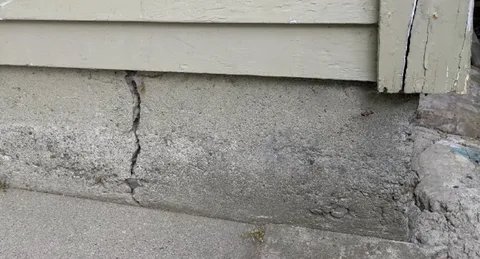
Small lines along a wall often seem harmless at first glance. Over time, those lines tell a story about pressure, moisture, and movement happening beneath a home. Understanding why cracks continue to change helps explain why waiting rarely leads to improvement and often leads to more complicated repairs.
How Water Seepage Worsens Existing Foundation Damage
Water plays a quiet but persistent role in foundation deterioration. Once a crack forms, even a narrow one, moisture finds an easy path inside. That moisture weakens surrounding concrete, washes away supporting soil, and increases pressure against the foundation wall. As water moves in and out, it enlarges the crack from the inside, not just at the surface. Homes in areas like Huntsville AL often experience this cycle after heavy rain. Searching for foundation repair near me usually begins once water stains or damp smells appear, signaling that seepage has already accelerated the damage.
Why Soil Movement Keeps Expanding Open Gaps Over Time
Soil beneath a foundation is rarely static. Changes in moisture content cause soil to swell, shrink, or shift, placing uneven stress on foundation walls and footings. As that pressure changes, cracks widen and lengthen. Clay-heavy soils common in parts of Huntsville AL are especially reactive. A foundation specialist near me often identifies soil movement as the main driver behind expanding cracks. Without stabilizing the soil or the structure itself, the foundation continues to move, and existing gaps rarely remain the same size for long.
The Role of Seasonal Changes in Crack Growth
Seasonal cycles quietly influence foundation conditions year after year. During wet seasons, soil absorbs moisture and expands, pushing against foundation walls. In dry periods, soil contracts and pulls away, reducing support. This repeated push-and-pull places stress on concrete that was never designed for constant movement. Cracks respond by opening wider or branching into new areas. Foundation crack repair near me is often requested after homeowners notice cracks growing faster during certain times of the year. Seasonal changes do not cause cracks to heal; they encourage them to spread.
How Cracks Affect Wall Alignment and Floor Stability
Foundation cracks rarely stay isolated to one area. As they grow, they disrupt load distribution throughout the structure. Walls above may begin to bow, tilt, or separate from ceilings. Floors can slope, bounce, or develop uneven transitions between rooms. These changes happen gradually, making them easy to overlook at first. Foundation repair contractors regularly trace interior issues back to untreated foundation cracks. Addressing the foundation early helps protect wall alignment and floor stability before structural shifts become more pronounced and expensive to correct.
What Early Repair Prevents in Long Term Home Damage
Early repair does more than close a visible crack. It prevents moisture intrusion that leads to mold, wood rot, and corrosion of metal components. It also reduces stress on framing, drywall, and flooring materials. Over time, untreated cracks can affect plumbing lines and door alignment, creating a chain reaction of repairs.
Homeowners searching for foundation repair near me often discover that early intervention limits both damage and cost. Stabilizing the foundation sooner protects the entire structure from long-term deterioration.
Why Cosmetic Patches Never Solve the Real Issue
Surface-level fixes may hide cracks temporarily, but they do nothing to address movement beneath the foundation. Cosmetic patches often crack again because the underlying forces remain unchanged. Paint, sealant, or mortar applied without stabilization simply masks symptoms. Foundation specialist near me evaluations frequently reveal patched cracks that reopened wider than before. Real solutions focus on stopping movement, managing water, and restoring support. Without those steps, cosmetic repairs only delay the inevitable return of visible damage.
How Professional Repair Stops Ongoing Foundation Movement
Professional repair methods are designed to stabilize, not disguise, foundation problems. Techniques may include piers, anchors, or soil stabilization systems that transfer load to stable ground. These methods address the root causes of movement rather than surface appearance.
Foundation repair contractors assess soil conditions, structural load, and crack patterns to determine the right approach. In regions like Huntsville AL, this tailored strategy is essential due to variable soil behavior. Proper repair halts movement, allowing cracks to remain closed and preventing new ones from forming.
Through comprehensive inspections, Kennedy and Sons helps uncover the factors contributing to foundation cracking and shifting. Their repair services focus on long-term stability rather than surface-level correction. This approach supports structural integrity while reducing the likelihood of recurring damage.
