



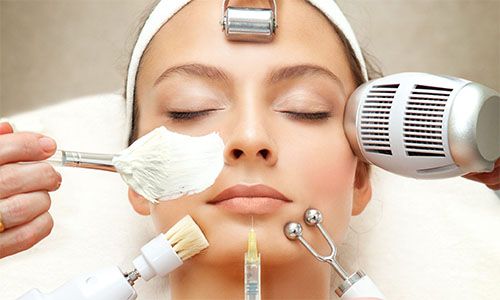
Medical spas have become increasingly popular for people seeking smoother skin, fewer wrinkles, improved texture, and a more refreshed appearance. Treatments such as chemical peels, laser procedures, microneedling, injectables, and other skin-rejuvenation services can provide noticeable results. However, because many of these treatments affect living tissue, they should not be treated like ordinary beauty services.
So, is a medical spa safe for your skin and health? The answer is: it can be, provided the facility follows appropriate medical and safety standards and qualified professionals perform the treatments. Cosmetic procedures still carry risks, and the qualifications of the provider, treatment selection, hygiene practices, and aftercare can significantly influence your experience.
What Makes a Medical Spa Different?
A medical spa combines the relaxing environment of a traditional spa with treatments that have a medical or clinical component. Depending on the facility, services may include laser treatments, chemical peels, microneedling, injectables, skin resurfacing, and other aesthetic procedures.
The important distinction is that these treatments can involve needles, controlled skin injury, heat, light energy, or active medical products. Even when a procedure appears simple, incorrect technique or unsuitable treatment settings can result in complications.
Qualified Professionals Are Essential
One of the most important factors in medical spa safety is who performs your treatment. A properly trained medical professional should understand skin anatomy, recognize potential contraindications, select appropriate treatment settings, and know how to respond if a complication occurs.
Dermatologists and other appropriately trained physicians have extensive medical knowledge that can help reduce the risks associated with cosmetic procedures. Before booking an appointment, ask about the provider’s medical credentials, specialized training, experience with the specific procedure, and experience treating people with your skin type.
Can Medical Spa Treatments Damage Your Skin?
Yes. Although many aesthetic procedures are considered minimally invasive, they are not completely risk-free.
Depending on the treatment, potential problems can include:
- Temporary redness and swelling
- Bruising or irritation
- Infection
- Burns
- Scarring
- Changes in skin pigmentation
- Allergic reactions
- Delayed healing
- Texture changes
Laser and resurfacing procedures, for example, can cause burns, pigmentation changes, infection, and scarring when performed incorrectly or on an unsuitable candidate.
Some newer technologies also require particular caution. The FDA has reported serious complications associated with certain uses of radiofrequency microneedling, including burns, scarring, fat loss, disfigurement, and nerve damage.
Why Your Skin Type and Medical History Matter
A treatment that works well for one person may not be appropriate for another. Skin tone, sensitivity, existing skin conditions, allergies, medications, previous treatments, and healing history can all affect treatment decisions.
A responsible provider should ask questions about your health and skin before recommending a procedure. They should also explain whether the treatment is suitable for you and discuss alternative options when appropriate.
This consultation is an important part of safety rather than simply a sales step. The American Academy of Dermatology recommends discussing expected results, possible risks, preparation, recovery, and aftercare before undergoing cosmetic treatment.
Choosing a Reputable Medical Spa
When comparing providers, don’t base your decision solely on attractive advertisements or discounted prices. Look beyond the appearance of the facility and investigate the medical side of the business.
For example, Vedas Medical Spa can be considered as part of your research when comparing aesthetic-care providers, but you should still independently evaluate the qualifications of the professionals, the treatments offered, consultation process, safety procedures, and aftercare support before making a decision.
A reputable facility should be transparent about who performs each procedure and what training they have received. Professional organizations also recommend asking who owns and operates the facility, who performs the medical procedure, and what education, training, and oversight are provided.
Hygiene and Infection Prevention Matter
Cleanliness is another major part of medical spa safety. Treatments involving needles, skin penetration, or controlled injury require appropriate infection-control procedures.
Patients should feel comfortable asking how equipment is sterilized, whether disposable supplies are used when appropriate, and how treatment areas are cleaned between appointments. Proper hygiene can help reduce the possibility of infection and other complications.
A professional provider should also explain what you should do if you notice unusual swelling, increasing pain, signs of infection, or another unexpected reaction after treatment.
Be Careful With Aggressive Treatments
More intensive treatment does not automatically mean better results. A provider who recommends increasingly aggressive procedures without considering your individual skin condition may not be taking a sufficiently personalized approach.
Your goal should be an appropriate treatment—not simply the strongest treatment available. A good consultation should explain what can realistically be achieved and whether multiple sessions, maintenance treatments, or a gentler approach would be more suitable.
Know the Warning Signs
There are several reasons to reconsider a medical spa before receiving treatment. Be cautious if the facility:
- Avoids explaining who will perform your procedure
- Cannot clearly discuss provider qualifications
- Promises guaranteed or unrealistic results
- Pressures you to purchase several treatments immediately
- Does not ask about your medical history
- Minimizes possible risks
- Has questionable hygiene practices
- Cannot explain what happens if a complication occurs
A professional provider should be willing to answer questions and allow you to make an informed decision without unnecessary pressure.
Proper Aftercare Is Part of Safety
Your responsibility does not end when the treatment is finished. Follow the provider’s aftercare instructions carefully. Depending on the procedure, you may need to avoid excessive sun exposure, strenuous activity, certain skincare products, or other irritants while the skin recovers.
Sun protection is particularly important after procedures that make the skin more sensitive. Following recommended aftercare can support healing and reduce the likelihood of unwanted pigmentation or irritation.
The Bottom Line
A medical spa can be a safe option for aesthetic skin treatments, but safety depends heavily on the quality of medical oversight, provider training, treatment selection, hygiene, equipment, and aftercare. Cosmetic procedures are still medical procedures, even when they are performed outside a traditional hospital or doctor’s office.
Rather than asking only whether a medical spa is safe in general, ask a more useful question: Is this particular facility, provider, and treatment appropriate and safe for me?
Taking time to investigate credentials, discuss your medical history, understand potential risks, and establish realistic expectations can help you make a more informed decision and protect both your skin and your overall health.
