



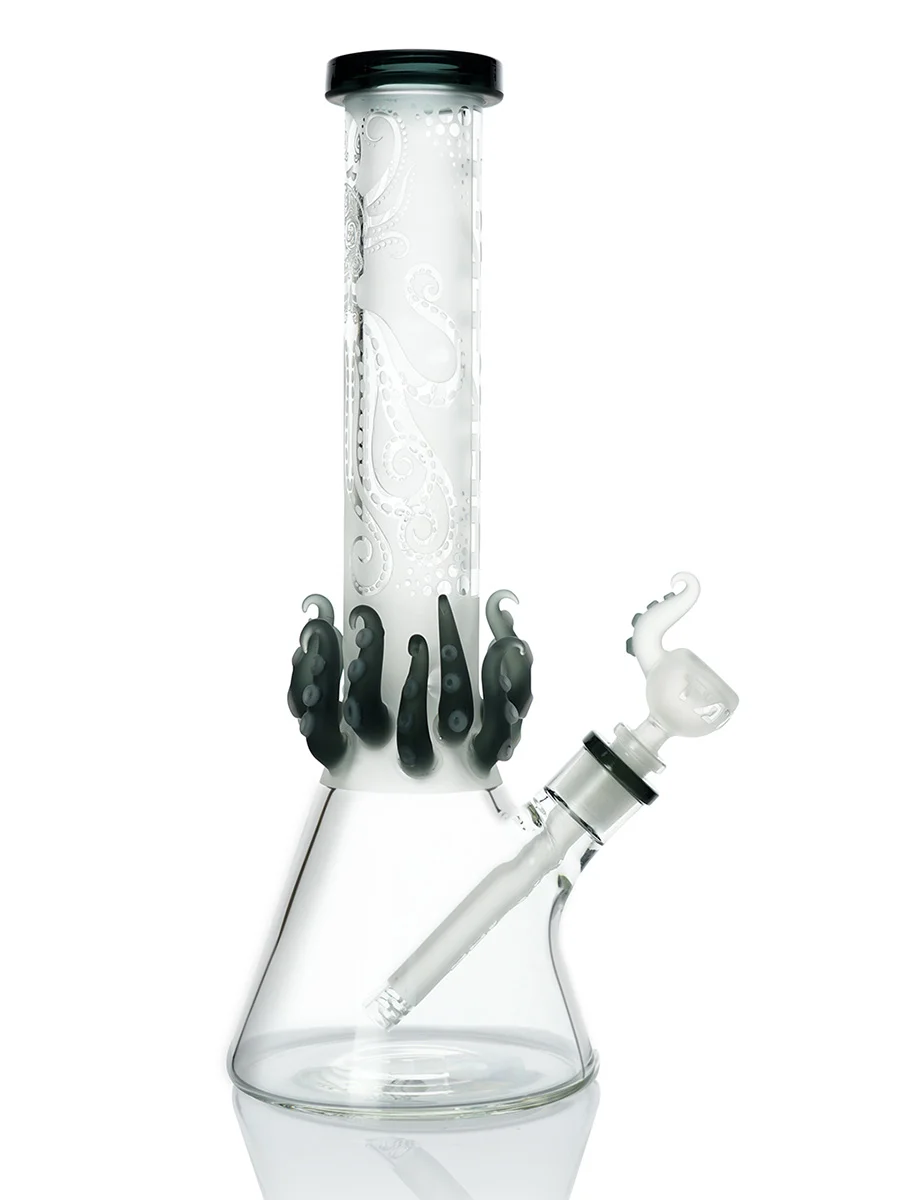
People have used bongs for centuries to smoke tobacco, cannabis, and other herbs. “Bong” is thought to be a derivation of the Thai word “baung,” meaning a wooden cylindrical pipe or tube. Bong use can be traced back to ancient Africa and Asia, where they were employed in the smoking of rituals and ceremonies. The water pipe has been in use in Africa since at least the 13th century, whereas in Asia, people used bongs for centuries as a method of tobacco and cannabis smoking.
The contemporary bong that we know of presently is thought to have emerged in the Ming Dynasty period (1368-1644) in China. The Chinese, at this time, smoked tobacco and other herbs using the bamboo bongs. These early bongs were plain in their design with a hollowed-out bamboo tube, a bowl to contain the herbs, and a water chamber in the bottom. Usage of the bong spread from China to the remainder of Asia before spreading to the world. Bongs are now widely used by smokers for the cool, smooth experience they provide, and they are available in a wide range of shapes, sizes, and materials.
Different Types of Bongs
There exist a variety of different types of bongs, each possessing a distinctive design and characteristics. The glass bong is one of the most widely known types of bongs, and it is favored by many due to its durability and capacity to yield clean and smooth hits. There exist various shapes and sizes of glass bongs, such as straight tubes, beakers, and even complex designs with several chambers and percolators.
Another widely used type of bong is the acrylic bong, famous for its light weight and affordability. Acrylic bongs tend to be used by beginners or users who want a portable, easy-to-clean option. Ceramic bongs are also favored for their ornamental designs and heat retaining capabilities, thus providing a more pleasant smoking experience.
Along with these classic materials, silicone, metal, and even wood are also used to create bongs. Bongs from silicone are flexible and extremely durable, so they’re a good choice for smokers who need to be on the move. Metal bongs can be easily cleaned and are very strong, and wooden bongs are valued for their natural look and distinctive act of smoking. Since they now come in so many materials, smokers can pick a bong that works best for them and their lifestyle.
How to Use a Bong
It is easy to use a bong, but pay close attention to a few important details to enjoy the best possible smoking experience. First, fill the water chamber of the bong with water that reaches to the downstem, but not so high that the water splashes into the bowl when you inhale.
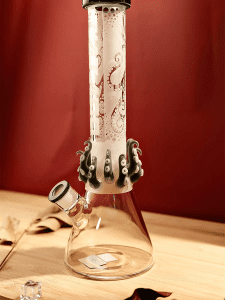
Once the bowl is filled, put your lips within the mouthpiece of the bong and ignite the herbs while inhaling softly at the same time. As you inhale, the smoke will be sucked down into the water chamber, where it is filtered and cooled before passing upwards through the mouthpiece. Make sure to inhale slowly and consistently to prevent coughing or taking in too much smoke at a time.
Take a hit, then remove the bowl from the downstem to empty the chamber of residual smoke. A few additional elements of some bongs can cool and clean the smoke even further to produce an even smoother hit. Through practice and experience, the proper technique and water level can be discovered that best suits a smoker when utilizing a bong.
Advantages of a Bong
There are a number of advantages of smoking using a bong, including that the smoke from a bong is a smooth, cool smoke compared to other methods of smokeng such as pipes or rolling papers. In addition to providing a smoother smoking experience, using a bong can also help conserve herbs or tobacco by allowing for more efficient combustion. The water in the bong helps to control the burn rate of the herbs, ensuring that they are not wasted or burned too quickly. This can be especially beneficial for those who are looking to stretch their supply or make their smoking sessions last longer. In addition, using a bong can also limit the quantity of tar and other noxious substances inhaled during the smoking of tobacco or herbs.
Cleaning and Maintaining Your Bong
To clean them more thoroughly, a combination of isopropyl alcohol and coarse salt can be used to dissolve and break down hard residue within the bong. Fill the chamber of the bong with the alcohol and salt, put your hand over the openings, and shake the mixture intensely to remove any residue. Rinse the bong thoroughly with warm water to remove the remaining alcohol and salt once you’ve cleaned them.
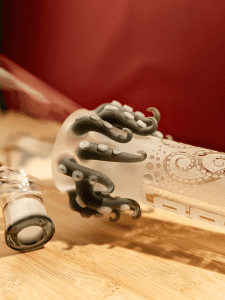
Along with cleaning, you should also maintain your bong by checking for cracks or damage that may hinder its performance. Also check the water level in the chamber so that you do not over- or underfill the chamber, as this can affect the effectiveness of the filtration and the cooling of the smoke.
Alternatives to a Bong
Although the use of a bong can be a smooth, pleasant smoking experience, other alternatives do exist for those who do not prefer the method of a bong. A dry herb vaporizer is one such alternative that heats tobacco or the herb at a lower temperature to cause them to produce vapor, not smoke. Vaporizers produce cleaner hits that contain fewer odors and byproducts of combustion compared to conventional smoking.
In summary, the use of bongs dates back many centuries and has developed into a myriad of types that accommodate different lifestyles and preferences. Smoking a bong has a number of advantages that include smoother hits and more efficient combustion as well as a need to be properly cleaned and cared for in order to work at peak performance. Legal ramifications also need to be considered in the use of a bong, particularly in jurisdictions in which the use of cannabis is illegal or even restricted. As alternatives to smoking a bong, one may look to utilize vaporizers, pipes, rolling papers, and edibles that utilize different methods of use that accommodate one’s personal preferences and needs.
